Small Bathroom Ideas: Smart, Efficient Design
Inspiring small bathroom ideas with storage, lighting, and layout tips for a brighter, efficient space.
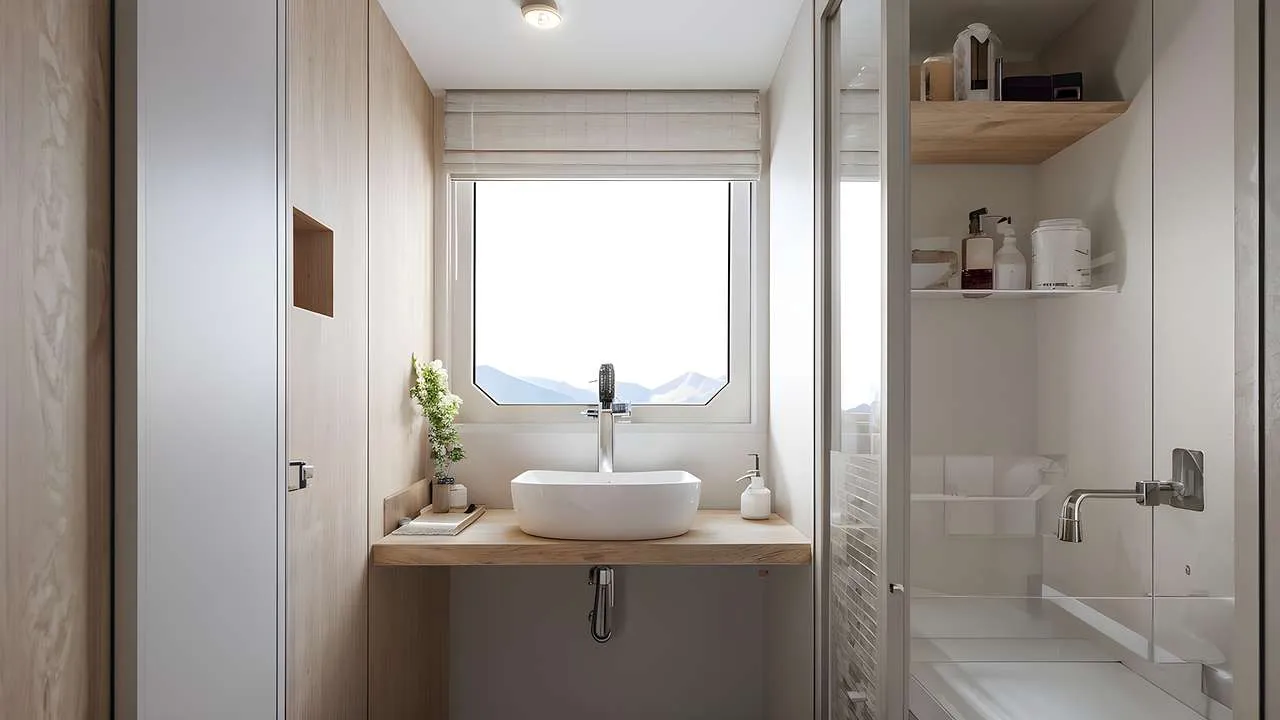
Small bathroom ideas often pose a design challenge: how to fit fixtures, storage, and style into a space that feels cramped. This guide draws on practical experience from years of designing compact interiors and mirrors best practices for optimizing layout, materials, and lighting. Whether you’re remodeling a powder room or updating a shared family bath, these strategies help you create a brighter, more organized space without sacrificing aesthetics.
Key design principles for small bathrooms
When approaching small bathroom ideas, start with fundamentals: proportion, lighting, and surfaces. The goal is to make the space feel larger while maintaining function. As a seasoned designer with over a decade of experience in compact spaces, I emphasize clarity of layout, restrained color palettes, and multipurpose elements that provide storage without visual clutter.
Proportions and scale
Choose fixtures that fit the room’s scale. A wall-hung toilet and a compact pedestal or wall-mounted vanity can free floor space, making the room feel more expansive. In tight spaces, aim for horizontal lines (long, slim mirrors, low-profile vanities) to widen the perception of width.
Lighting and reflections
Layer lighting to avoid shadows and deepen the sense of space. Use a combination of ceiling ambient lighting and task lighting by the mirror. A large, frameless mirror or mirrored cabinetry multiplies light and adds depth, which is essential for small bathroom ideas to feel brighter and more open.
Color, texture, and materials
Neutral palettes with strategic accents work well in small bathrooms. Light grays, airy beiges, and pale blues reflect more light than dark tones. Incorporate reflective surfaces—glossy tiles, glass shower enclosures, and polished chrome fixtures—to bounce light and visually expand the room. Textures should remain cohesive to avoid a cluttered look.
Storage and fixtures that save space
Storage is the backbone of any small bathroom ideas plan. Use vertical space, integrated storage, and multi-purpose fixtures to keep surfaces clear. Consider recessed niches for toiletries, medicine cabinets with mirrored fronts, and wall-mounted vanities with slim profiles. A compact vanity with shallow drawers can hold daily essentials without crowding the room.
Smart vanity and cabinetry ideas
- Wall-mounted vanities free up floor space and reveal more room for movement.
- Floating shelves above the toilet create storage without a bulky cabinet.
- Recessed niches in the shower or above the sink provide storage for bottles and towels.
Toilet and shower options
- Compact or corner toilets conserve space, and wall-hung models amplify floor area.
- A corner or angular shower with a clear glass door makes the room feel larger than a standard 90-degree enclosure.
- A sliding or pocket door reduces obstruction when entering and exiting the bathroom.
Layout ideas for maximum floor plan efficiency
Effective layouts transform a small bathroom into a comfortable, usable space. Here are common strategies that work well with small bathroom ideas:
- Place the shower or tub along one wall with a glass enclosure to maintain visibility and light flow.
- Position the vanity opposite the shower to create a natural traffic flow and avoid bottlenecks.
- Use a pocket or sliding door where possible to reclaim swing space and improve accessibility.
Materials, finishes, and maintenance
Durable, easy-to-clean materials are essential in small bathroom ideas. Porcelain tiles, porcelain or ceramic glazes, and quartz countertops resist moisture and require minimal upkeep. Choose grout lines that are wide enough to stay clean but narrow enough to feel seamless. Light-colored floors with matching wall finishes create a cohesive, expansive look.
Budgeting and planning for a successful small bathroom remodel
Plan with intent. Start with a measured schematic of your space, then prioritize core requirements: toilet placement, shower access, lighting, and storage. Allocate budget for quality fixtures and a durable finish, since these choices influence both usability and longevity. If possible, consult a licensed designer or contractor who specializes in compact baths to ensure the plan meets local codes and maximizes the space you have.
Table: Quick comparison of layout options
| Layout Type | Pros | Cons | Ideal Space |
|---|---|---|---|
| Walk-in shower with glass enclosure | Maximizes visual space; easy cleaning; bright feel | Requires sufficient headroom and drainage precision | Small to mid-size baths; bathrooms without tub requirement |
| Corner sink with wall-hung toilet | Open floor area and easier cleaning | Limited counter space for daily items | Tight corners or long, narrow baths |
| Pocket door or sliding door | Reclaims door swing space; improves accessibility | Installation complexity and cost | Very small bathrooms pushing conventional doors |
Expert tips for long-term success
To ensure your small bathroom ideas translate into a durable, stylish result, invest in high-quality hardware, sealants, and moisture-resistant finishes. Document measurements and take photos during each phase of the remodel to communicate clearly with contractors. Remember, good design for small spaces balances function with a calm, cohesive aesthetic, rather than simply packing more elements into the room.
Conclusion, Small bathroom ideas center on maximizing space, layering light, smart storage, and efficient fixtures to create a brighter, functional space while maintaining style. By choosing compact fixtures, using reflective surfaces, and planning a practical layout, you can achieve a high-quality result within a modest footprint.